






























































































































































































































































































































































































































































































































IPA Convex 2026: Indonesia’s Oil & Gas Potential Remains Strong


The upstream oil and gas industry is facing increasingly complex challenges, both globally and in Indonesia. In addition to natural production declines from aging oil fields, the sector must also navigate global geopolitical tensions that continue to impact energy prices and investment stability.
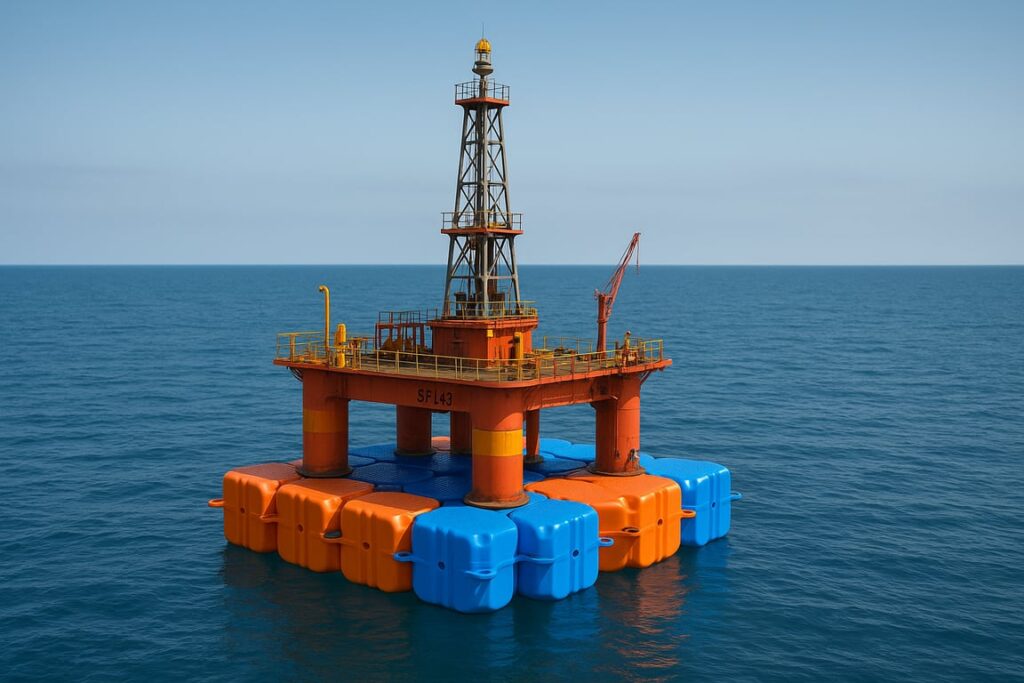
Despite these challenges, Indonesia is still considered to have significant oil and gas potential, particularly in deepwater areas and eastern Indonesian regions that remain largely unexplored.
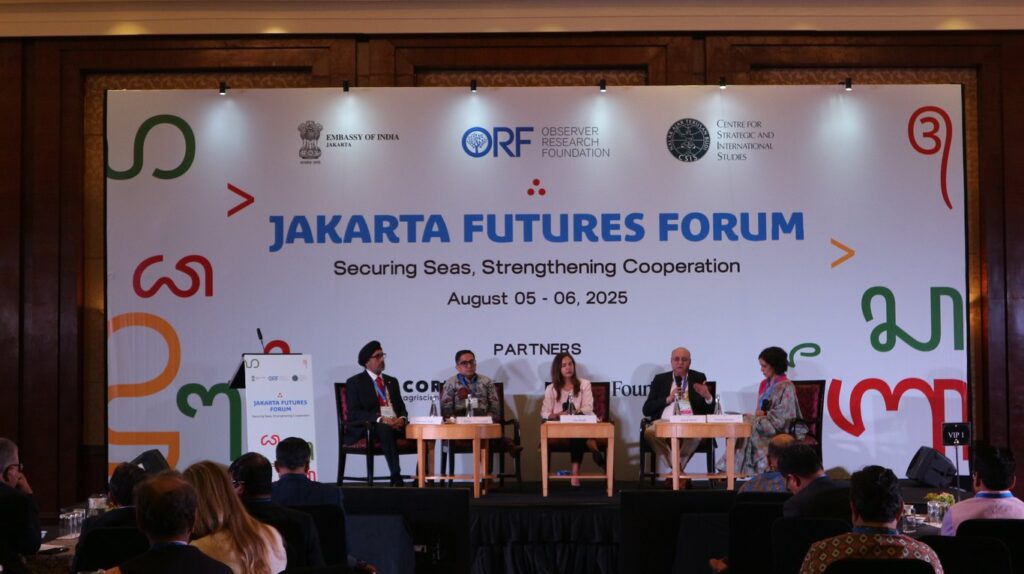
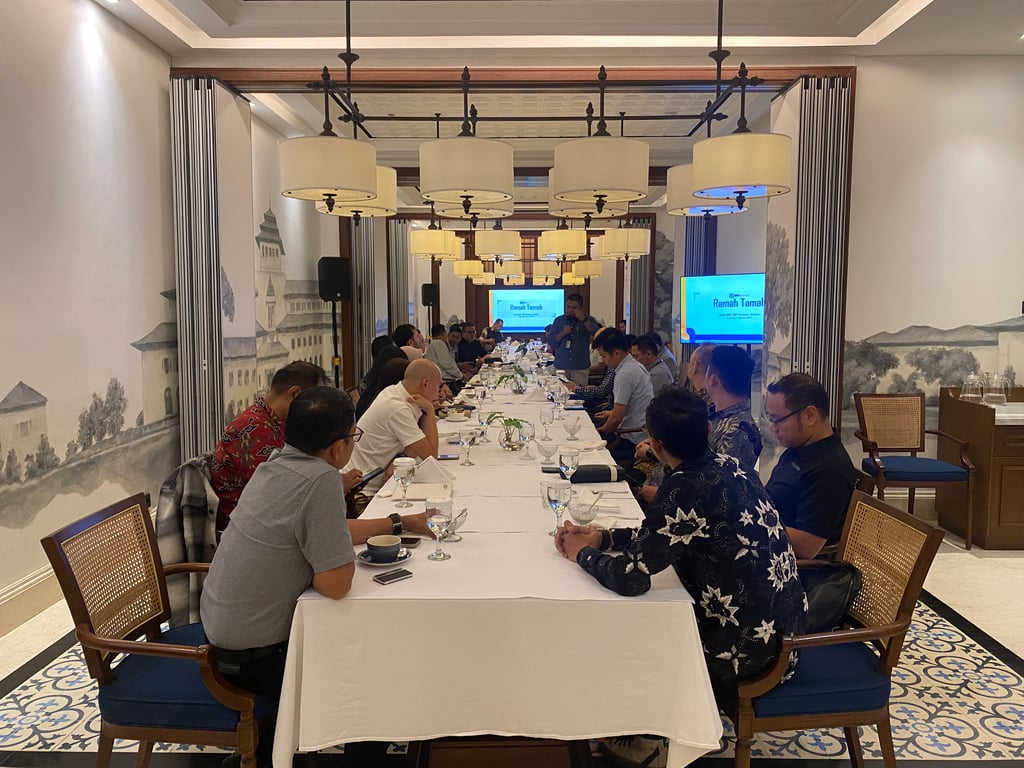
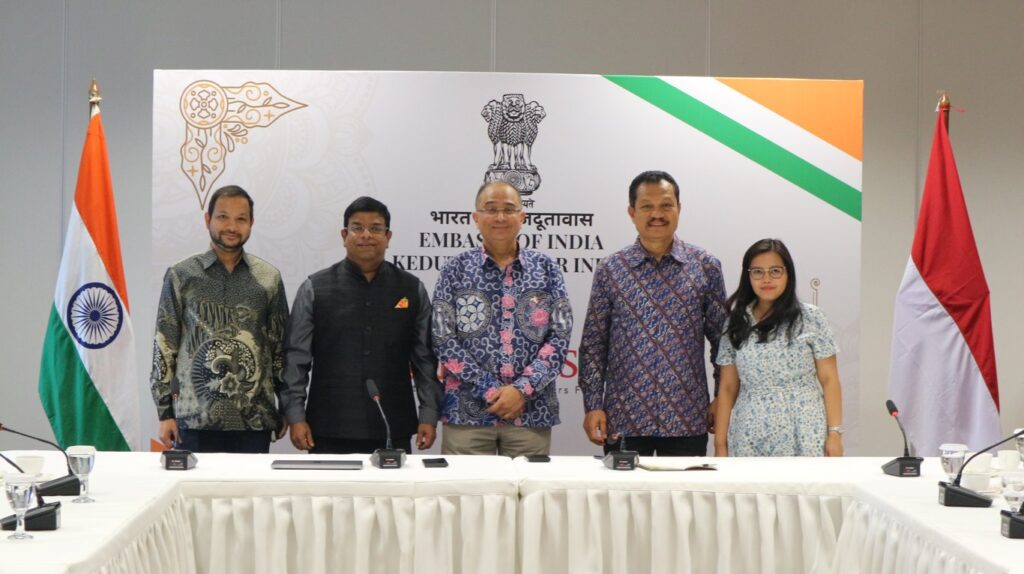
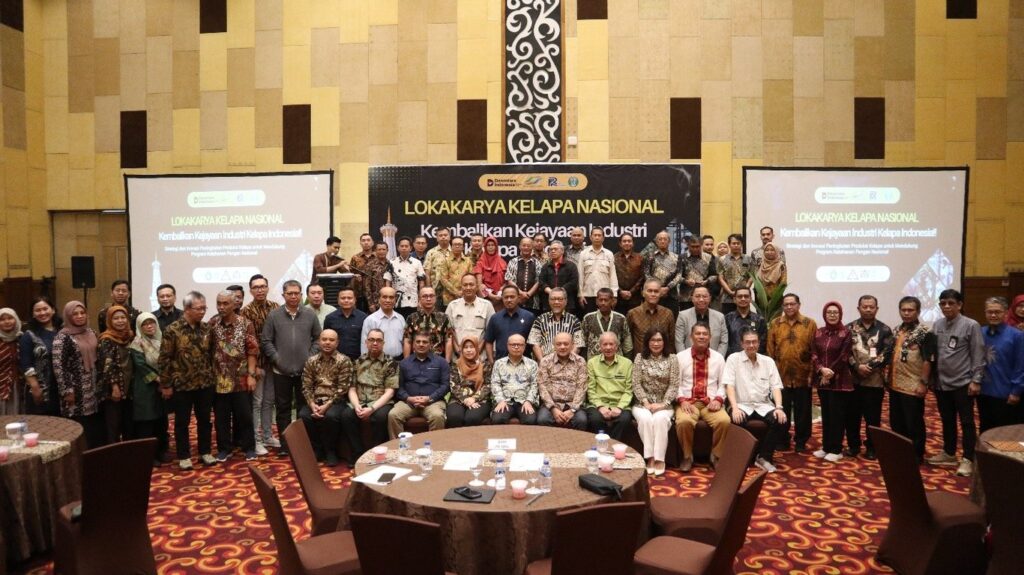
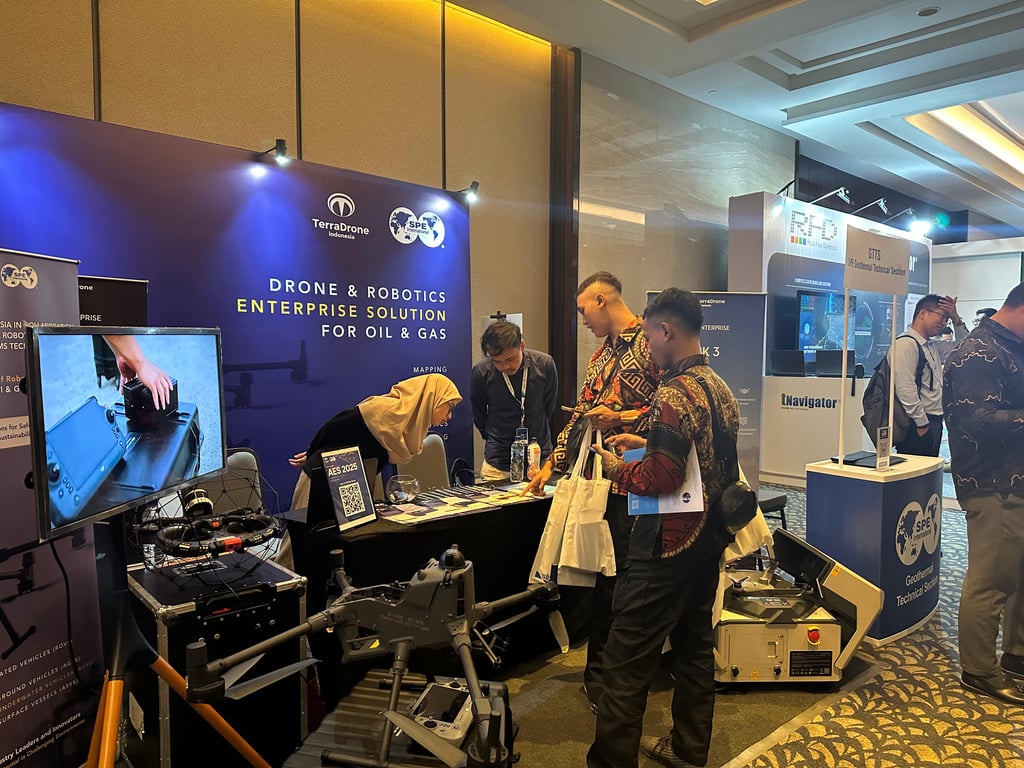
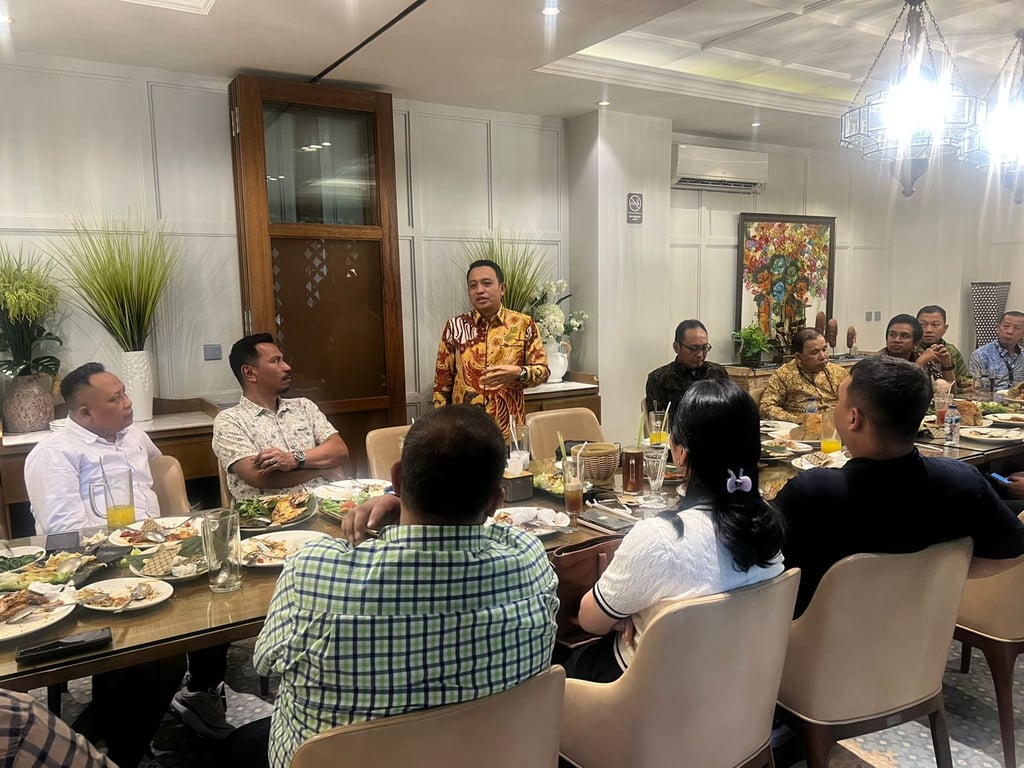
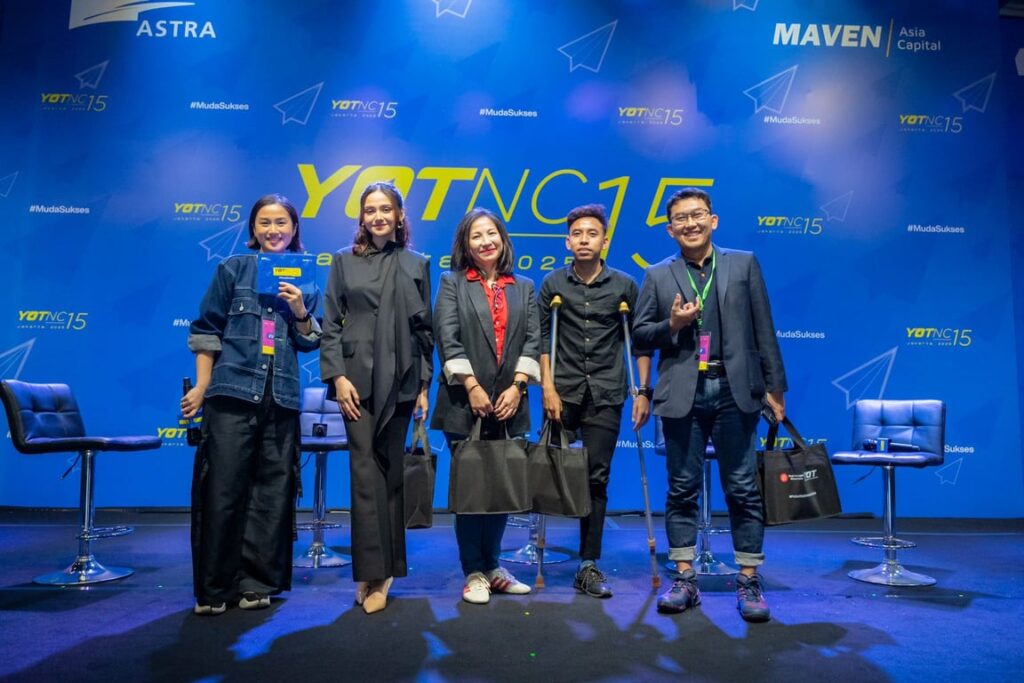
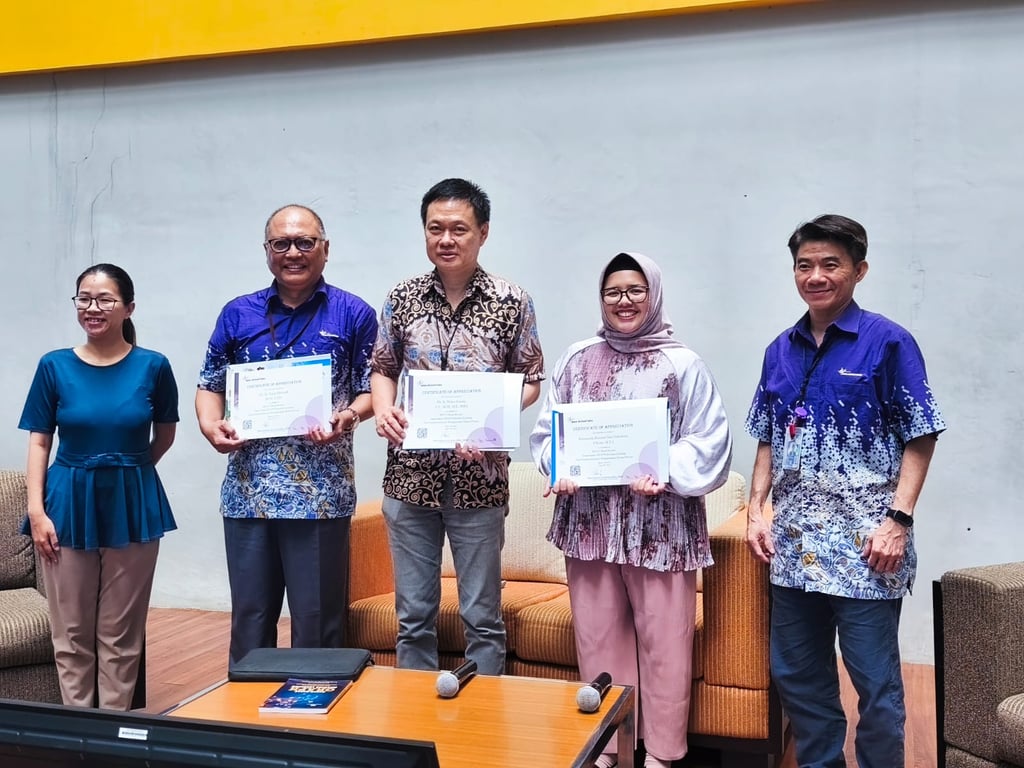
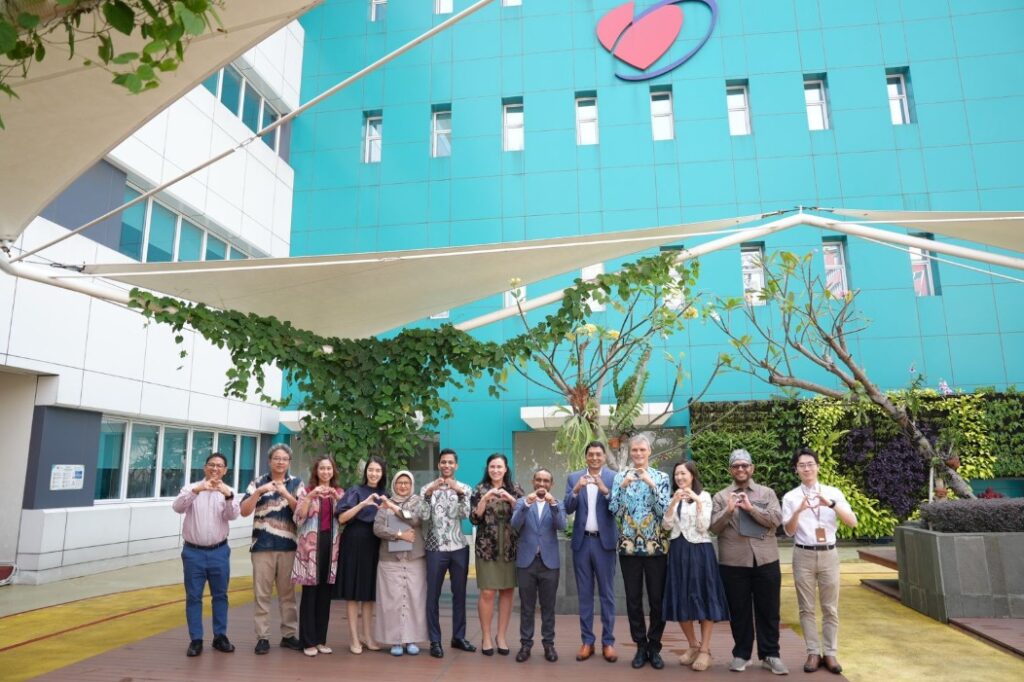
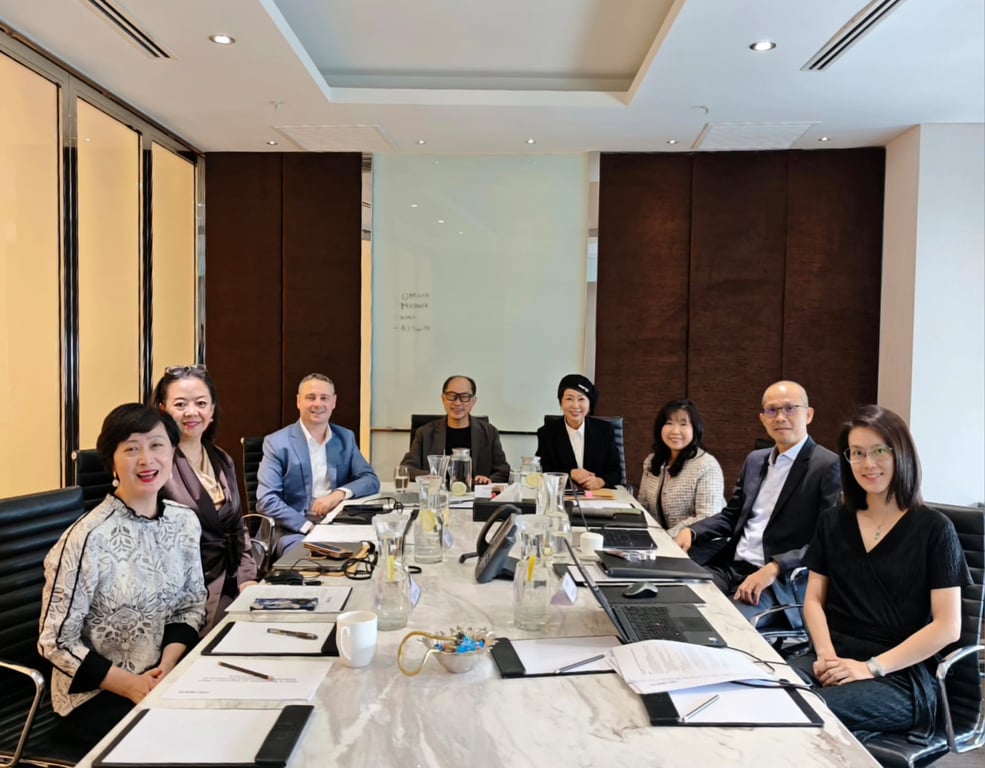
The issue became one of the key discussions during the Global Executive Talk session titled The End of Easy Energy: The New Reality of Oil and Gas at The 50th IPA Convention and Exhibition (IPA Convex) 2026 held in Jakarta on Wednesday (May 20, 2026).
Oki Muraza, Vice President Director of Pertamina, stated that the industry must adopt adaptive strategies to address the growing challenges. According to him, strengthening partnerships, collaborating with governments, and advancing technology development are crucial for maintaining long-term sustainability.
“We have strong partnerships, including with PETRONAS. Collaboration with the government can provide fiscal incentives, simplify licensing processes, and reduce business risks through technology implementation,” said Oki.
Meanwhile, Tengku Muhammad Taufik, President and Group CEO of PETRONAS, revealed that global upstream oil investment in 2025 is projected to decline by around 6 percent. However, total global upstream oil and gas investment is still estimated to reach approximately US$570 billion.
“Interestingly, around 40 percent of that total investment is allocated specifically to slowing production decline in existing oil and gas fields,” he explained.
At the same event, Roberto Lorato, Director and CEO of Medco Energi, noted that Indonesia still has substantial opportunities to strengthen its oil and gas sector. He emphasized that the country has begun to show positive progress in managing the industry over recent years.
“Indonesia realizes its potential remains enormous. Therefore, exploration must continue with long-term development strategies and more flexible approaches,” Roberto stated.
Technology utilization has also become a key strategy in managing production decline. Oil and gas companies are increasingly adopting enhanced oil recovery (EOR), operational digitalization, artificial intelligence (AI), and more efficient drilling technologies to improve productivity and reduce operational costs.
Optimism surrounding Indonesia’s energy future has also been strengthened by several major discoveries, including those in the Andaman region.
Mansoor Muhamed Al Hamed, CEO of Mubadala Energy, said that after 15 years of operating in Indonesia, the company has achieved positive exploration results in Andaman.
“We are very enthusiastic about the discoveries in Tangkulo and Andaman, including Southwest Andaman discovered around two months ago. Once production begins, it will position us as one of the largest producers in Indonesia,” Mansoor explained.
Meanwhile, Abdullah F. Al-Osaimi, Executive Vice President Finance & Administration of KUFPEC, highlighted that the industry now requires significantly larger capital investments and more advanced technologies, while geopolitical tensions continue to reshape the global energy sector.
“The challenge today is no longer the availability of hydrocarbons, but rather access to reserves with lower risks and lower complexity, which are becoming increasingly difficult to find,” Abdullah stated.
He also noted that the ongoing energy transition and growing ESG (Environmental, Social, and Governance) demands are influencing investment approaches in the upstream oil and gas sector worldwide.
Despite mounting challenges, the upstream oil and gas industry is still expected to play a critical role in maintaining national energy security. Supported by strong policies, technological innovation, and vast untapped resources, Indonesia is seen as having the opportunity to strengthen its position once again as one of the region’s major energy producers.

