
















































































































































































































































































































































































































Redefining Waste: ARTCYCLE EARTHFORM at ASHTA District 8

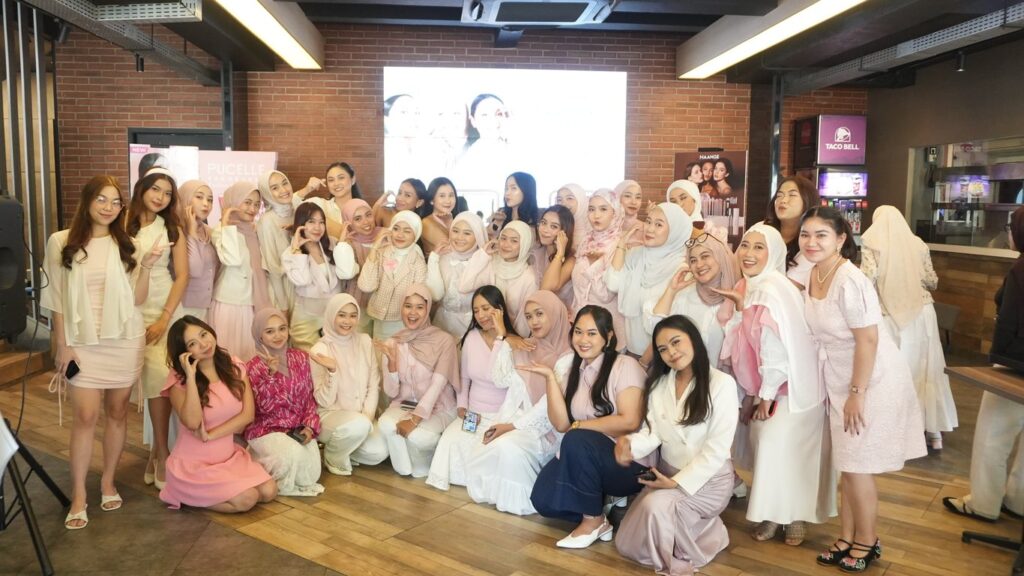
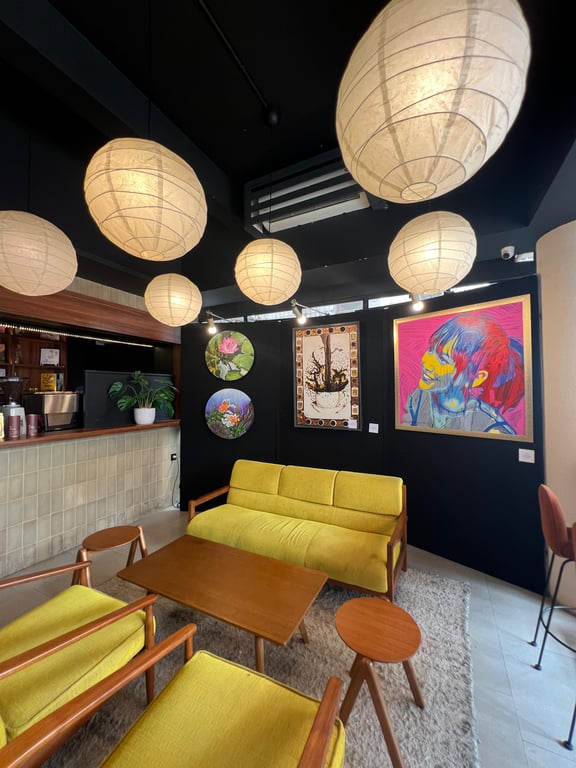
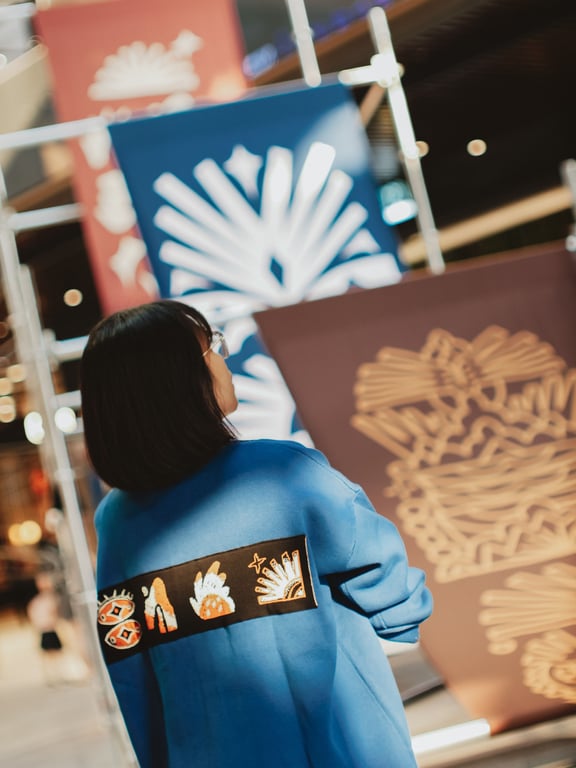
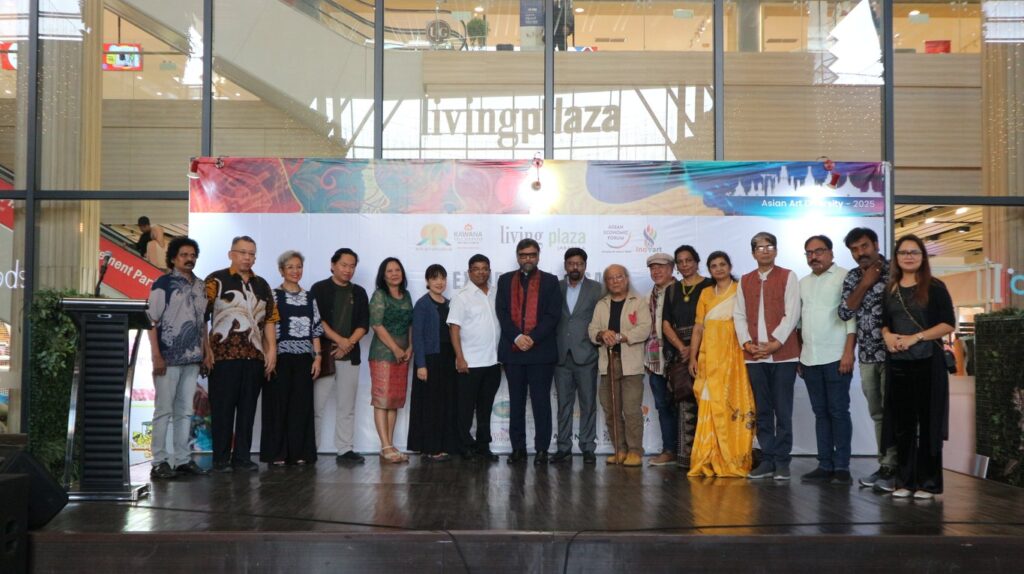
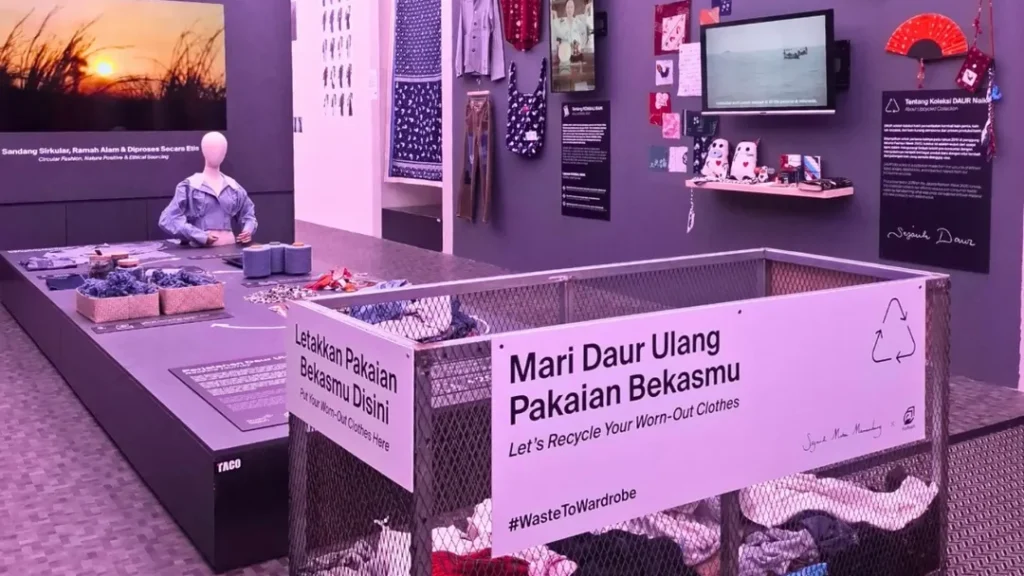
Running from April 20 to May 17 at the Melting Pot space within ASHTA District 8, ARTCYCLE: EARTHFORM brings together contemporary artists, designers, and sustainable brands. Each participant challenges conventional perceptions of waste by turning everyday discarded materials into visually compelling and functional works.

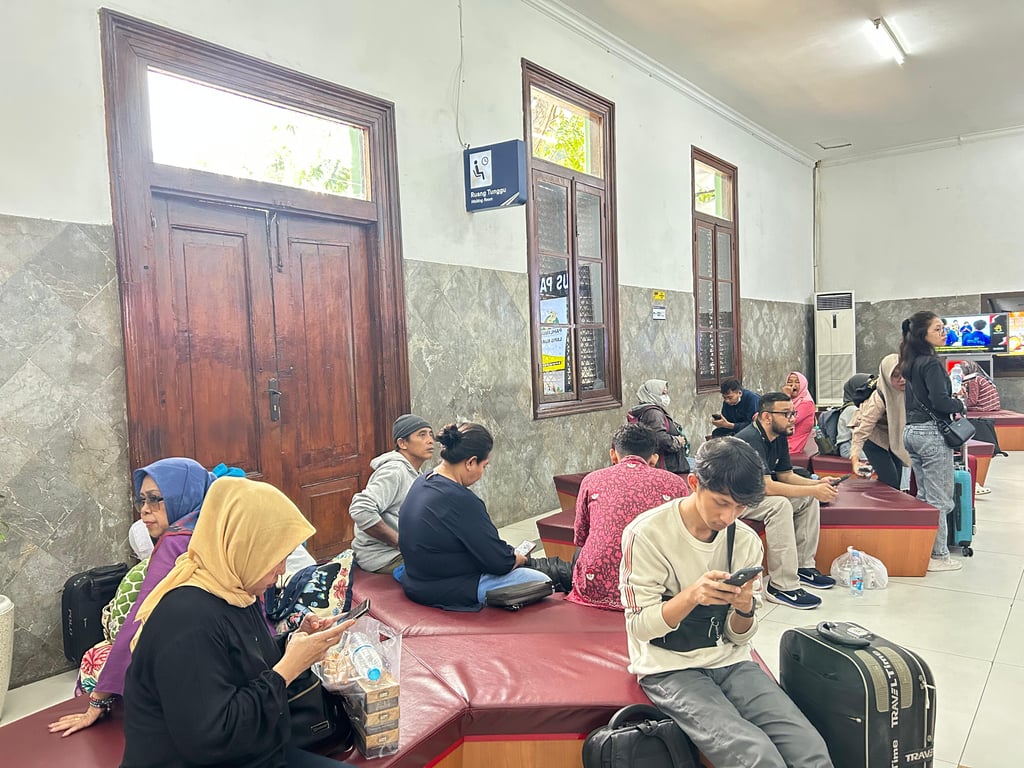
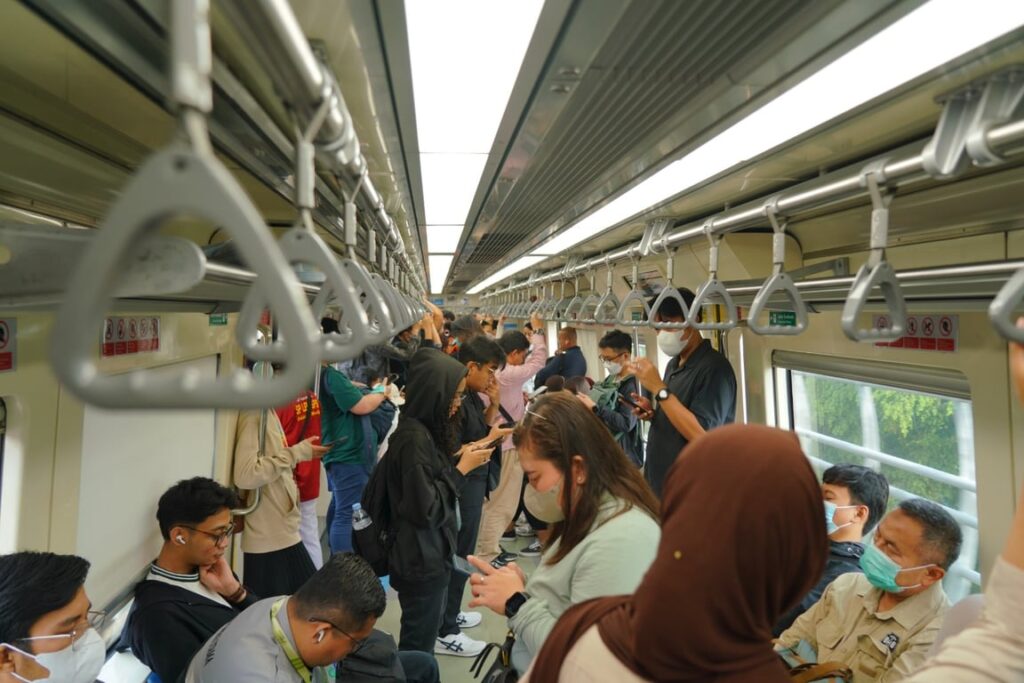
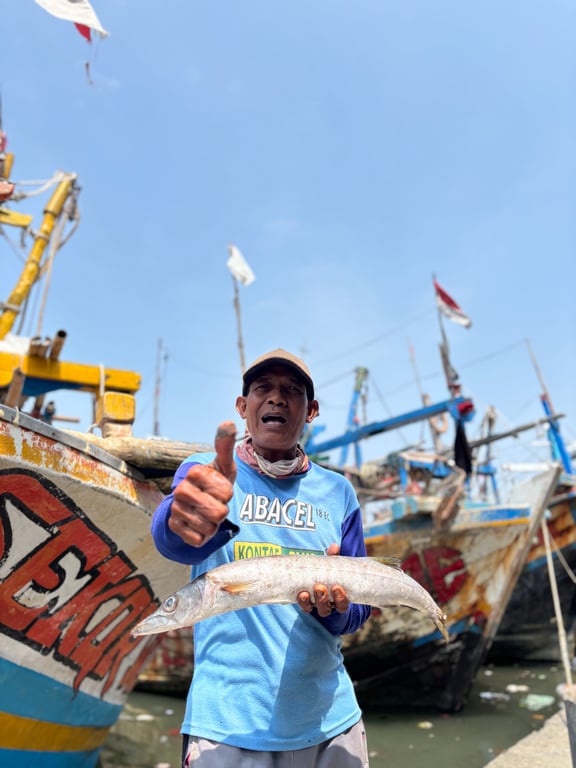
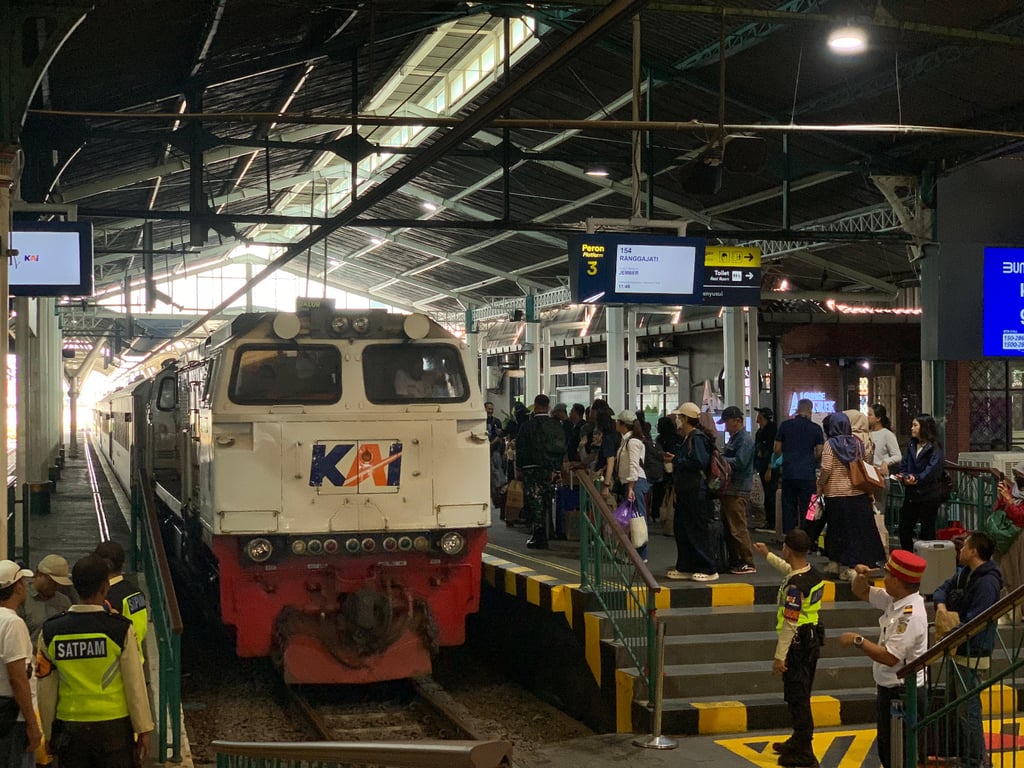
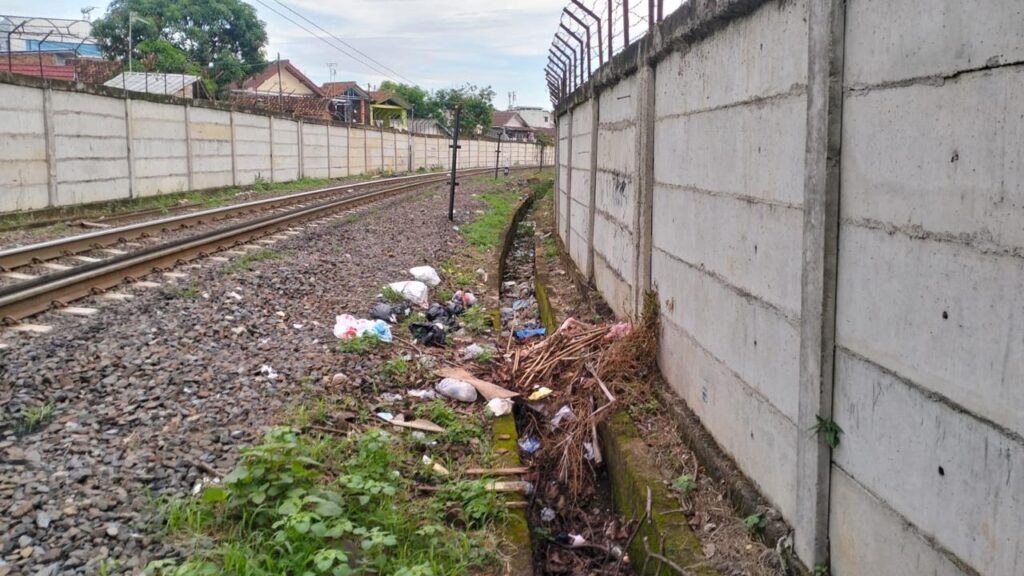
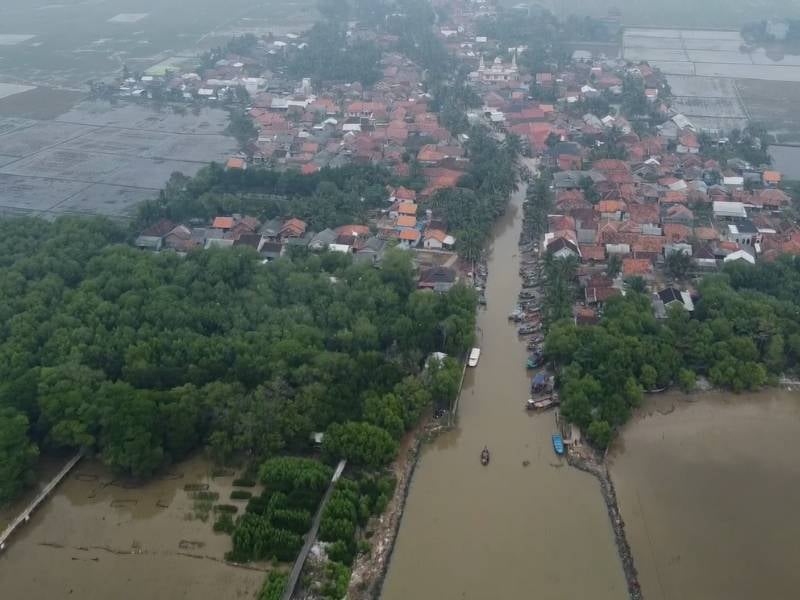
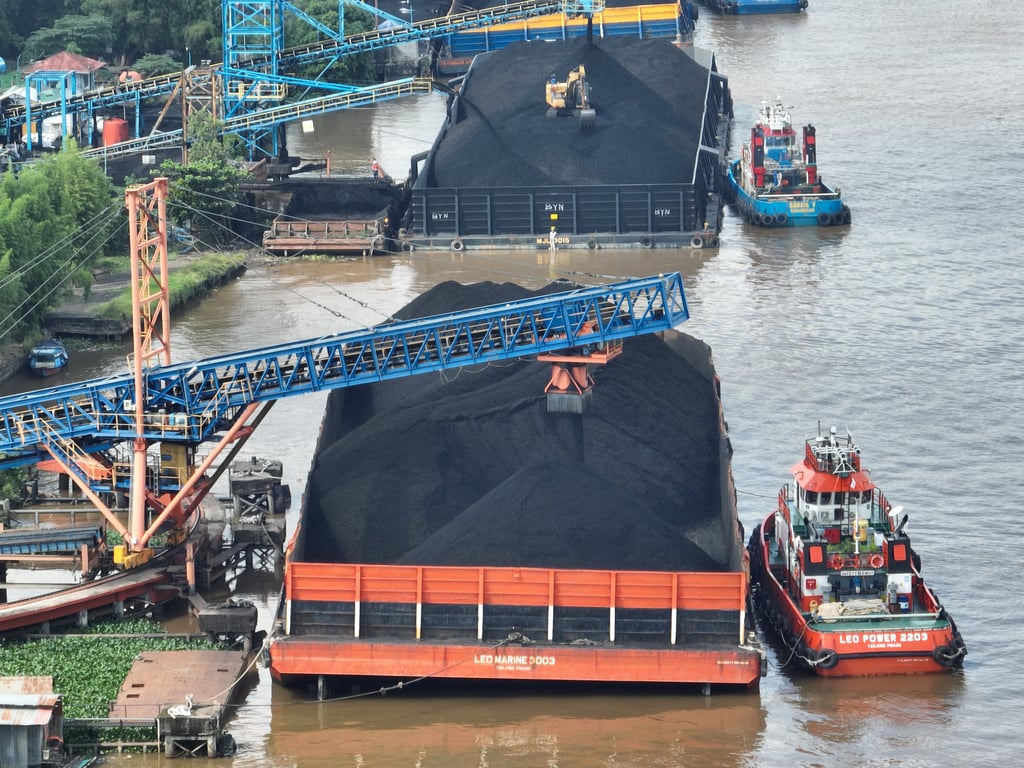
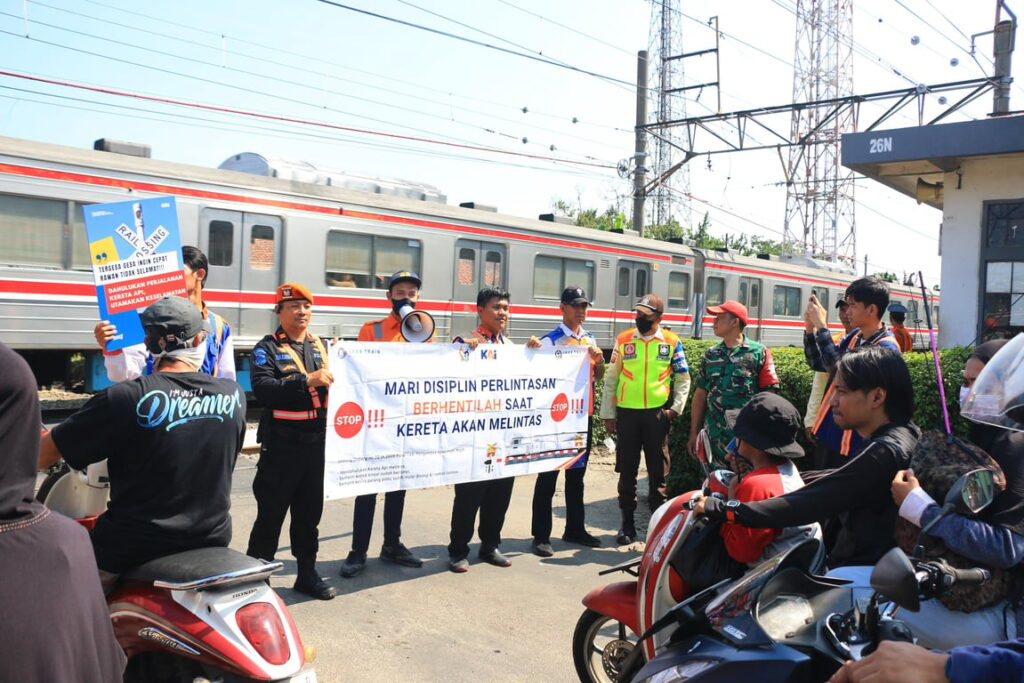
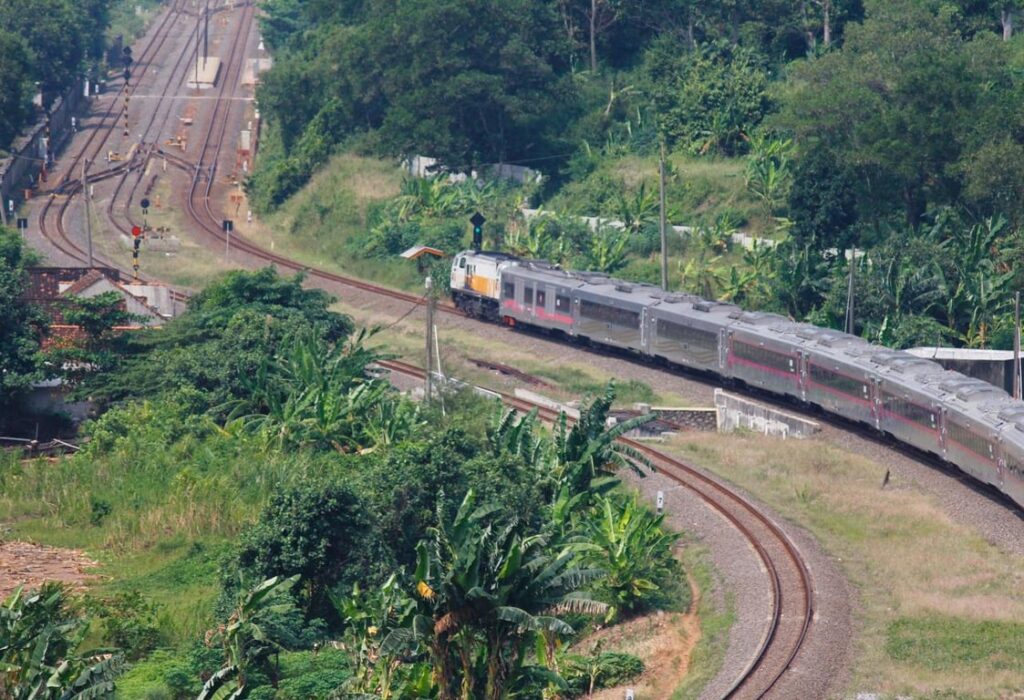
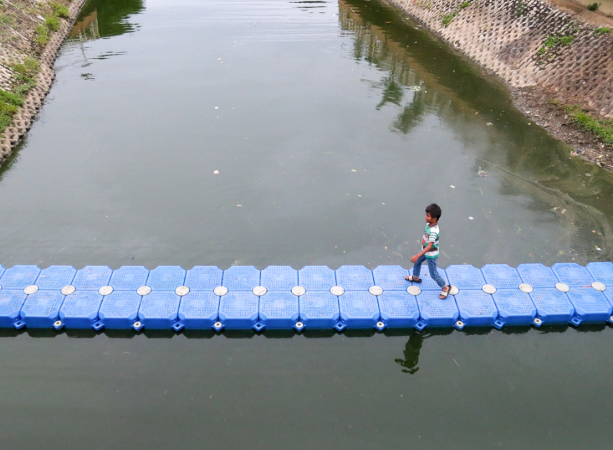
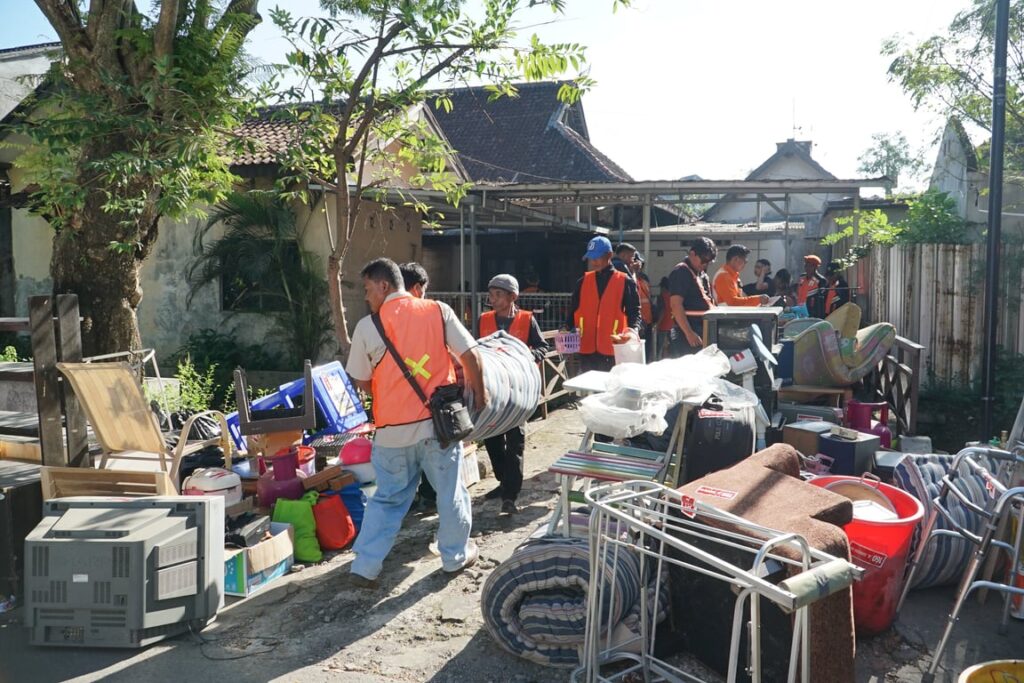
Beyond the exhibition, ARTCYCLE: EARTHFORM offers an interactive journey for visitors. Installations, upcycling workshops, and collaborative showcases provide hands-on experiences that encourage deeper engagement with sustainability practices. One of the highlights, “Journey to Sustainability,” presents a visual and educational exploration inspired by the realities of waste management in Indonesia.


