









































































































































































































































































































































































































































































































Jakarta Is Sinking: Flooding and the Erosion of Public Trust


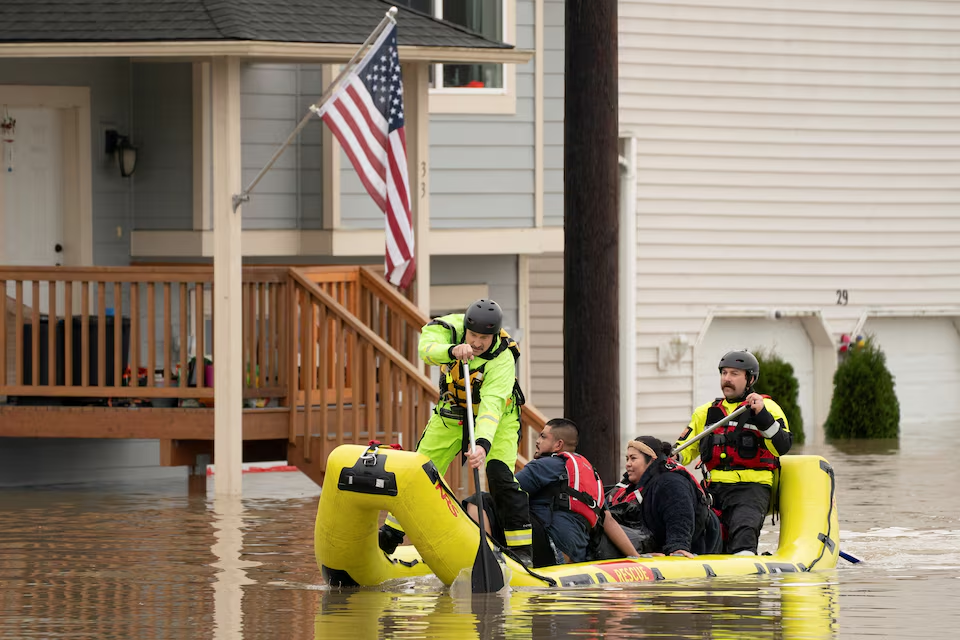
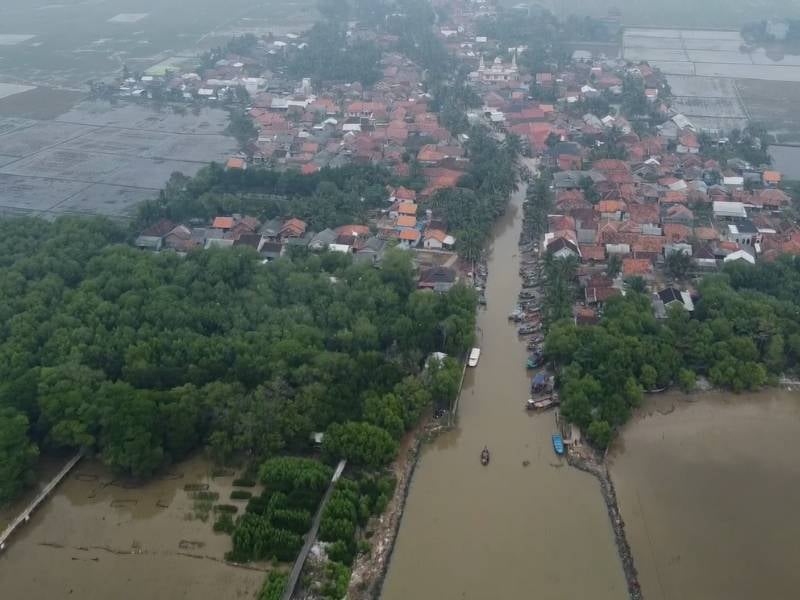
Jakarta is sinking, and the tragedy lies not only in the floodwaters that regularly submerge its streets, but also in the steady erosion of public trust that follows every rainy season. Flooding is often explained as a natural disaster—an unavoidable consequence of heavy rainfall and extreme weather. Yet for millions of residents who have lived in the capital long enough, these floods are neither unexpected nor accidental. They are the outcome of decades of mismanaged urban planning, weak infrastructure, and a governance culture that prioritizes short-term visibility over long-term resilience.
Every year, as neighborhoods disappear under murky water and daily life comes to a halt, the same questions resurface alongside the floods: where does public money go, and why does nothing fundamentally change?
Jakarta Is Sinking Despite Continuous Public Spending
Indonesians are diligent taxpayers. Citizens contribute a significant portion of their income with the expectation that the state will protect them—not only from economic instability, but also from preventable disasters. In principle, public funds are meant to finance flood control systems, improve drainage networks, normalize rivers, manage waste, and guide responsible urban expansion. These are not luxuries. They are the basic standards of a modern city.
However, Jakarta’s experience tells a different story. The city floods not because money is unavailable, but because execution lacks coherence, transparency, and consistency. Budgets grow, projects multiply, yet results remain elusive. Infrastructure appears reactive rather than preventive, designed to manage crises after they occur instead of stopping them before they happen.
As a result, flooding has become a recurring feature of urban life rather than an exceptional emergency.
Read Also: Jakarta Hujan Deras, Beberapa Daerah Mulai Banjir
A City Trapped in Reaction Instead of Prevention
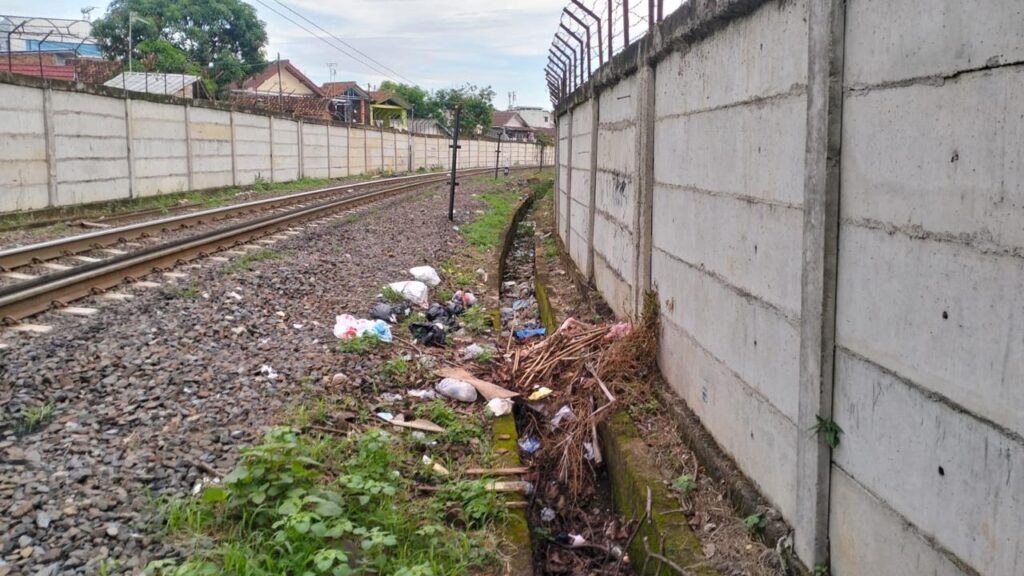
For more than three decades, Jakarta has operated in a cycle of reaction. Emergency pumps arrive only after water levels rise beyond control. Roads are repaired after flood damage, only to be submerged again months later. River dredging projects are announced with ceremonies and headlines, but long-term watershed management remains fragmented and incomplete.
Often, the announcement generates more attention than the outcome.
This pattern reveals a deeper issue: flood prevention requires long-term vision, scientific planning, and sustained political commitment. Yet Jakarta’s policies frequently change with administrations and election cycles. Projects begin with urgency, then lose momentum. Maintenance fades. Coordination weakens. What remains is a city perpetually unprepared for a disaster it knows will return.
Read More: Torrential Rains Bring Parts of World’s Largest City to a Standstill
Urban Development and the Cost of Neglect
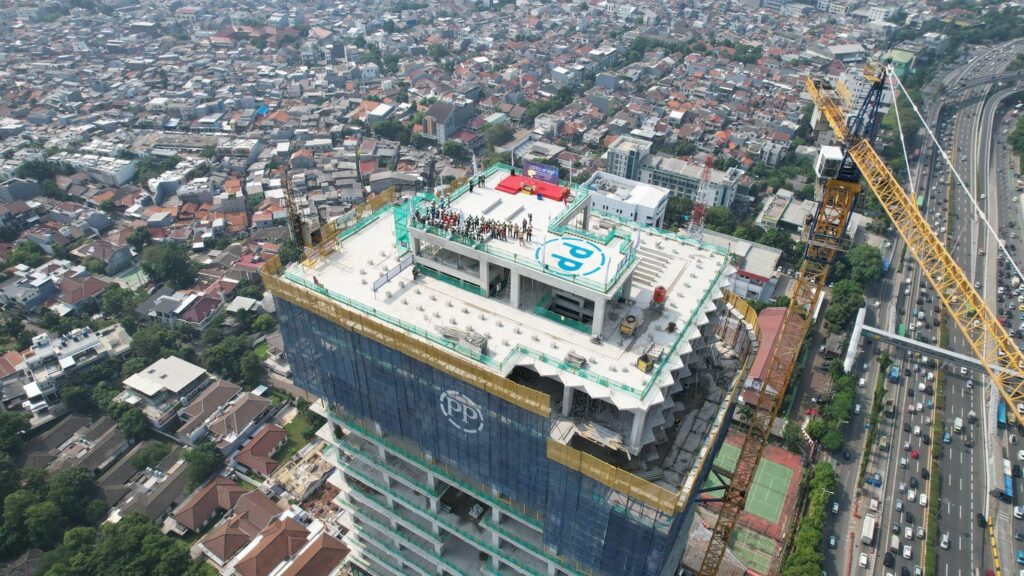
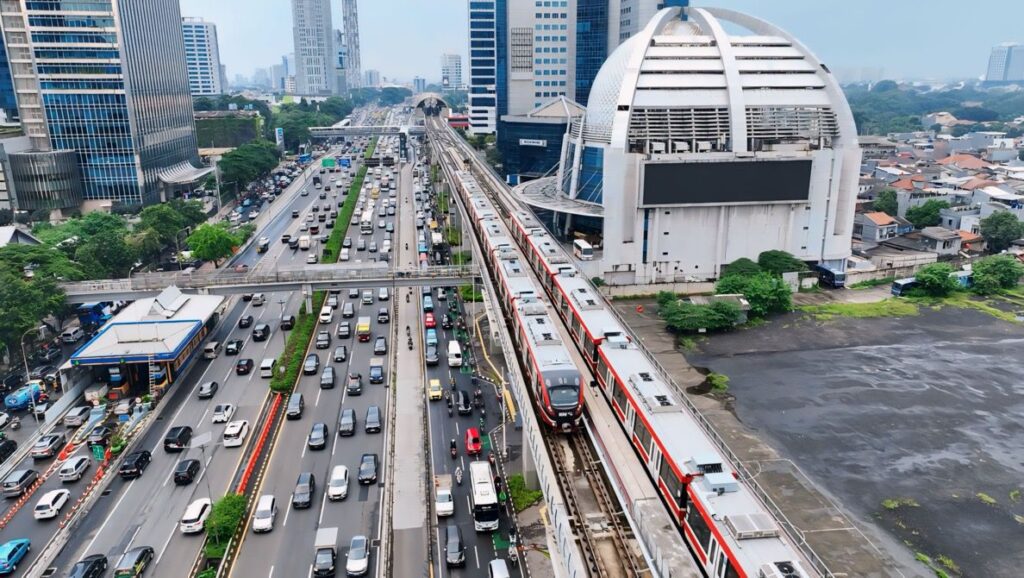
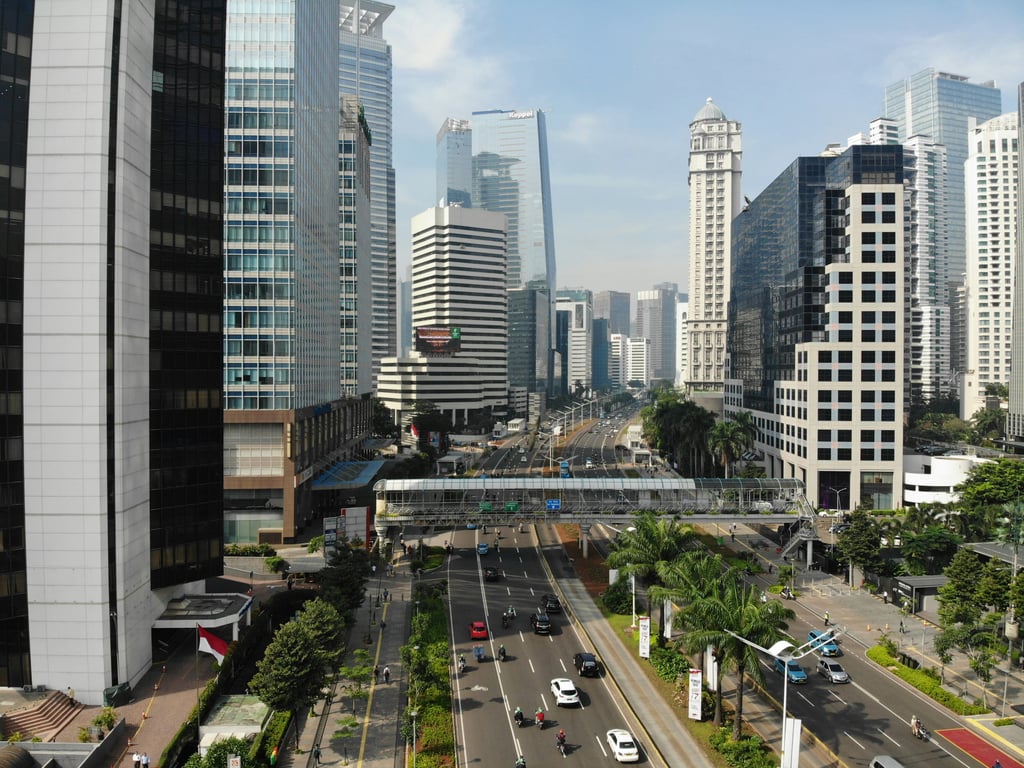
Urban development has further accelerated Jakarta’s vulnerability. Green spaces that once absorbed rainwater have steadily disappeared, replaced by concrete, asphalt, and high-rise buildings. Natural water absorption zones have been converted into commercial districts, while construction progresses faster than the infrastructure designed to support it.
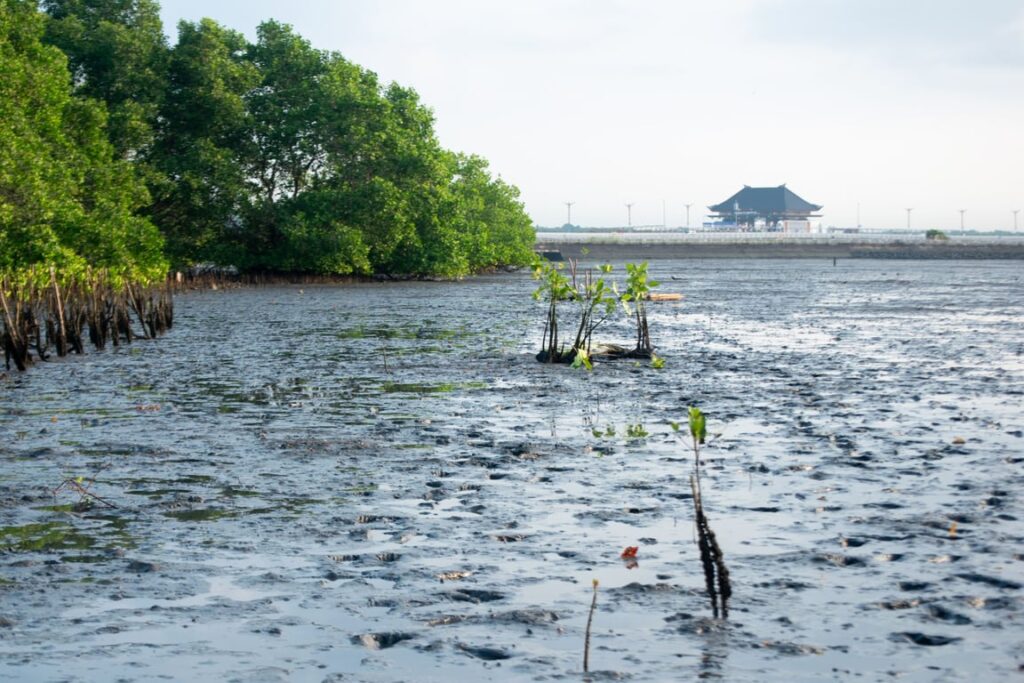
At the same time, excessive groundwater extraction has caused land subsidence, making Jakarta sink while sea levels rise. The result is a dangerous convergence: the land sinks under the weight of development, and water rises to reclaim what nature once managed naturally.
In this context, flooding is not an accident of nature. It is the predictable consequence of human neglect and policy choices that prioritize short-term profit and visual development over long-term survival.
Jakarta Is Sinking—and So Is Public Confidence
The physical damage caused by flooding is visible. Homes are destroyed. Roads become rivers. Economic activity slows. Yet the less visible damage may be even more severe: the erosion of public trust.
Residents have watched administrations change, budgets increase, and promises repeat themselves, while floods return with ritual regularity. When taxes feel disconnected from tangible improvements, trust deteriorates. Government shifts from being perceived as a service provider to being experienced as a burden.
Citizens begin to feel they are funding inefficiency rather than resilience. Over time, frustration turns into cynicism, and cynicism into disengagement. In a city as complex as Jakarta, public trust is as essential as physical infrastructure. Without it, even well-funded projects struggle to succeed.
Governance Failure Beyond Infrastructure
Jakarta’s recurring floods expose a broader governance problem. Political incentives often reward visibility over durability. Projects are designed to produce quick, photogenic results rather than lasting solutions. Flood prevention, however, demands patience, data-driven planning, and cross-generational commitment—qualities that rarely align with electoral timelines.
When optics replace outcomes, the cost is not merely financial. It is social, cultural, and psychological. Citizens lose faith in institutions meant to protect them, and without that faith, the city’s capacity to function weakens.
In this sense, Jakarta is facing two crises at once: a physical crisis of sinking land and rising water, and an accountability crisis that undermines civic confidence.
Why Jakarta Is Sinking Is Also a Moral Question
A city cannot operate effectively if its residents believe governance is reactive, indifferent, or incapable. No matter how wealthy or resource-rich Jakarta becomes, its future depends on leadership that values preparation over performance, prevention over reaction, and transparency over spectacle.
Flooding should not be treated as an unavoidable seasonal inconvenience. It should be recognized as evidence of systemic failure. Every delayed project, every poorly coordinated response, and every opaque budget decision contributes not only to physical damage, but also to moral decline.
Trust, once broken, is difficult to restore.
A Wake-Up Call for Jakarta’s Future
Jakarta’s floods must serve as a wake-up call—not only for policymakers, but for all citizens invested in the city’s future. What appears to be a natural disaster is often the result of choices that could have been different. Every high-rise built without adequate drainage, every green space paved over, and every emergency response deployed too late compounds the problem.
Solutions exist. Modern drainage systems, integrated water management, restored rivers, and sustainable urban planning are achievable. Yet these solutions require commitment beyond election cycles, patience beyond immediate recognition, and courage beyond political optics.
They require a city willing to rethink how it manages land, water, and public resources.
Jakarta Is Sinking, but Recovery Is Still Possible
Jakarta is sinking, but it is not beyond saving. Infrastructure can be rebuilt. Drainage systems can be modernized. Rivers can be restored. However, the greater challenge lies in rebuilding trust.
Accountability must be as strong as the embankments meant to hold back water. Transparency must flow as freely as water should through functional canals. Citizens must be able to see, measure, and verify how public funds protect their lives and livelihoods.
Until that happens, every flood season will bring more than water. It will bring renewed disappointment and a deeper erosion of public confidence. Jakarta may be a city of opportunity, but opportunity cannot thrive without trust. True resilience is built not only from concrete and pumps, but from integrity, consistency, and governance that serves the public interest.
Only then can Jakarta hope to rise—above the water, and above the failures of its past.

