









































































































































































































































































































































































































































































































































































































































































































Grammy Best Album Cover After 52 Years

For decades, album covers were never just packaging. Instead, they acted as an invitation—an entry point into an artist’s world before a single note played. When listeners picked up a record, they engaged with something tangible, studied its details, and absorbed its mood long before pressing play.
At the time, album art shaped how people understood music. Designers translated sound into image, turning rhythm and emotion into visual language. As a result, many covers became inseparable from the records themselves.
When Album Art Defined Culture
During the 1960s and early 1970s, artists and designers treated album cover creation as a serious discipline. They did not decorate records for attention alone. Instead, they interpreted lyrics, tone, and intention through photography, illustration, and typography.
In many cases, album covers defined entire eras. They influenced fashion, graphic design, and popular culture. Even today, people recognize certain covers instantly—even without hearing the music. Ownership meant participation. Buying a record meant entering a cultural conversation.
Read Also: Grammys 2026: Bad Bunny Makes History by Winning Album of the Year with Spanish-language Work
How Streaming Changed the Album Cover

However, technology slowly reshaped that relationship. Vinyl gave way to CDs, CDs shifted to digital files, and eventually streaming platforms dominated. With each transition, the physical presence of album art grew smaller.
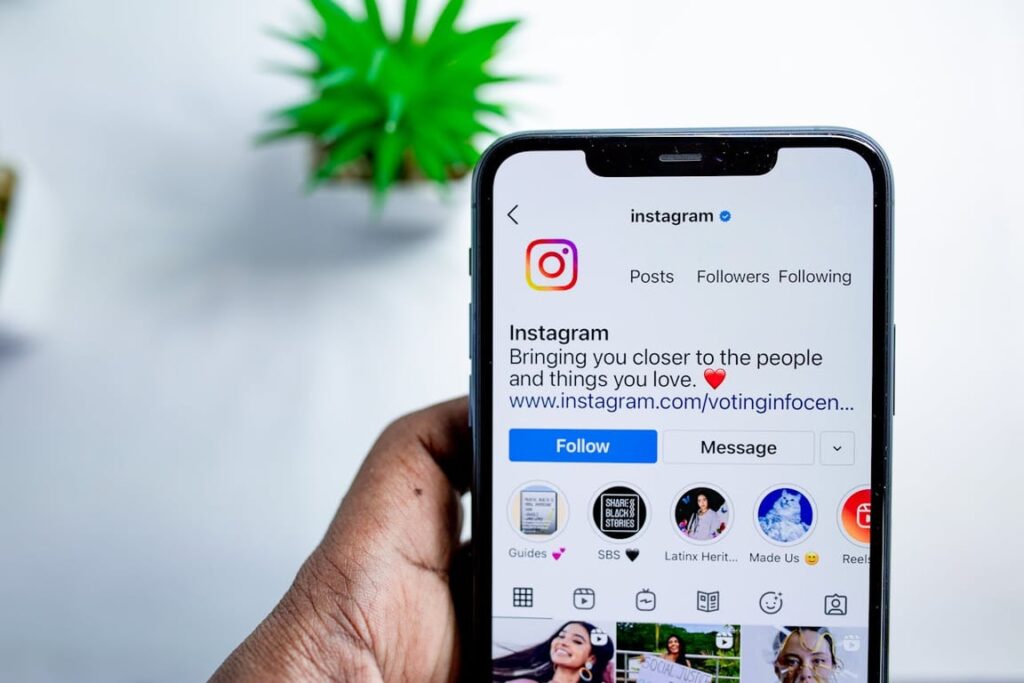
What once filled your hands now appears as a thumbnail on a screen. As a result, album covers lost their role as destinations. They became supporting visuals, competing for attention in endless digital feeds. Meanwhile, speed replaced ritual, and attention spans shortened.
A Visual Pushback in the Streaming Era

Despite this shift, album art did not disappear. Instead, it adapted.
Today, many artists intentionally design covers to resist invisibility. They use bold imagery, unsettling compositions, or confrontational themes. Even within the constraints of a small square, strong visual concepts still command attention.
In contrast to passive scrolling, these covers demand engagement. They stop thumbs mid-motion. They invite questions. Most importantly, they insist on being seen.
Why the Grammy Best Album Cover Matters

Within this context, the return of the Grammy Best Album Cover category carries weight. The Grammy Awards will recognize the category again for the first time since 1974—a 52-year absence.
Read More: Bad Bunny wins Grammys Album of the Year
This decision goes beyond awards administration. Instead, it signals cultural recognition. Music has always worked through multiple senses. Sound alone does not shape memory. Visual context plays a critical role in how people remember albums, artists, and moments in time.
By reviving this category, the Grammys acknowledge the creative labor of designers and visual artists who translate sound into imagery.
Read More: Bad Bunny wins Grammy for album of the year
Album Covers as Memory and Identity
Album covers often anchor personal memory. People associate them with specific periods of life—first heartbreaks, long drives, late nights, or moments of change. Over time, the image becomes inseparable from the sound.
Therefore, visual storytelling still matters deeply. Even in digital spaces, a compelling cover builds emotional connection before listening begins. It frames expectation. It creates atmosphere.
This resurgence does not reflect nostalgia alone. Instead, it responds to the problem of impermanence in modern media.
Reclaiming Attention Through Design
As attention becomes increasingly fragmented, artists push back. They design covers that slow the viewer down. Some provoke discomfort. Others invite interpretation. Not all of them aim to please.
That tension matters. The best album covers rarely explain themselves. Instead, they reward patience. They invite audiences to look again.
Consequently, the return of the Grammy Best Album Cover category reflects a broader shift toward intention over speed.
Read Also: Art Jakarta Papers 2026: Contemporary Paper Art Fair
Music Is Meant to Be Seen
Ultimately, the Grammys’ decision reinforces a simple truth: music is not meant to be heard alone. It is meant to be seen, felt, and remembered.
By honoring album artwork again, the industry reclaims space for visual storytelling in a culture driven by motion. The return of Grammy Best Album Cover encourages audiences to pause, notice, and care.
Album covers are no longer just thumbnails.
They are statements—once again.


