








































































































































































































































































































































































































































































































































































MBG Program: Is Indonesia Ready to Secure Children’s Nutrition?

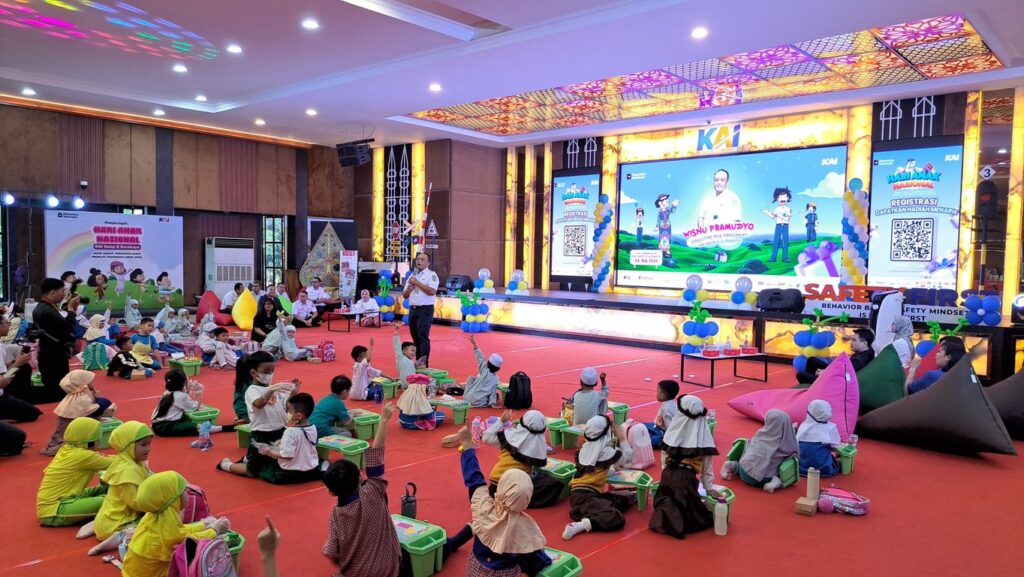
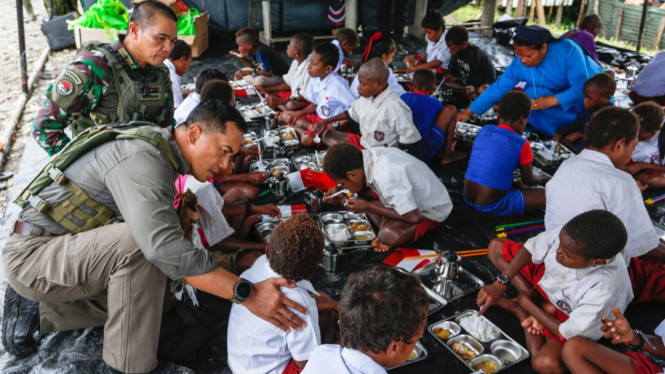
Lunchtime in Indonesian elementary schools is starting to change. Across classrooms and schoolyards, children now sit together and open meal boxes filled with rice, protein, vegetables, and fruit. What once appeared as an occasional supplement has become part of a daily routine shaped by national policy. At the center of this shift stands the MBG Program, or Makan Bergizi Gratis, a government initiative designed to improve access to nutritious food for schoolchildren. The program aims to do more than reduce hunger. It seeks to address inequality and strengthen Indonesia’s long-term human capital.
As Indonesia marks Nutrition and Food Day, child nutrition returns to the center of public discussion. Economic growth and better access to education have not eliminated nutritional gaps. Indonesia still faces a dual burden of malnutrition. Stunting and micronutrient deficiencies persist, while childhood overweight and obesity continue to rise. The MBG Program positions itself as a structured response to this challenge by delivering daily meals through schools across the country.
MBG Program and Indonesia’s Child Nutrition Challenge

Indonesia’s child nutrition problems reflect deep structural issues. Stunting remains widespread, especially among children from low-income families. This condition affects physical growth and cognitive development, with long-term consequences for productivity. At the same time, dietary habits have shifted rapidly in urban areas. Children now consume more ultra-processed foods high in sugar, salt, and fat. These changes have increased obesity rates and introduced health risks at younger ages.
The MBG Program targets school-aged children at a critical stage of development. By providing balanced meals consistently, the program aims to support healthy growth and improve learning outcomes. Well-nourished children tend to focus better in class and attend school more regularly. Over time, these benefits can shape healthier habits that last into adulthood.
The program also serves a social protection function. Many families still struggle to provide nutritious meals every day. Rising food prices and income gaps make this task difficult. Through the MBG Program, the government reduces household burden while ensuring children receive basic nutritional support.
Nutrition Quality at the Core of the MBG Program

Scale alone cannot define success. Nutrition experts stress that meal quality matters as much as coverage. A nutritious meal must deliver a balanced mix of carbohydrates, protein, healthy fats, vitamins, and minerals. It should match a child’s age and developmental needs. Without careful planning, programs risk focusing on fullness rather than nutrition.
Meals that rely heavily on rice with limited protein or vegetables may reduce hunger but fail to address nutrient deficiencies. Poor menu balance can also increase calorie intake without improving diet quality. Such outcomes could undermine the goals of the MBG Program. Clear nutritional standards and evidence-based menu planning remain essential.
Strong oversight supports quality. Each step, from sourcing ingredients to food preparation and storage, affects safety and nutrition. Schools need trained staff and clear procedures. Regular monitoring helps prevent gaps in quality between regions and institutions.
Implementing the MBG Program Across Indonesia

Indonesia’s geography creates serious implementation challenges. Thousands of islands complicate food distribution and supervision. Infrastructure gaps persist between urban and rural areas. Access to fresh ingredients also varies widely.
Local governments and schools need flexibility. They must adapt menus to local food availability and cultural preferences. However, flexibility must align with firm nutritional benchmarks. Without clear national standards, regional variation could lead to unequal outcomes.
Early evaluation plays a crucial role. Authorities need to track meal composition, student acceptance, and logistical efficiency. Cost effectiveness also matters. Data from early implementation phases should guide adjustments. These corrections will determine whether the MBG Program remains sustainable over time.
Read Also: Babylon Garden Affair: A Garden Made of Dreams in the City
Education as a Key Support for the MBG Program

Food provision alone cannot solve nutrition problems. Nutrition education strengthens the impact of meal programs. The MBG Program offers a platform to improve nutrition literacy among students, teachers, and parents.
Schools can integrate basic nutrition lessons into daily learning. Teachers who understand nutrition can explain why certain foods matter. This approach helps children connect meals with health rather than viewing them as passive benefits.
Read Also: The Centre of Excellence for the Makan Bergizi Gratis programme
Parents also influence outcomes. Children who understand healthy eating can bring that knowledge home. Over time, this process may encourage better household food choices. In this way, the MBG Program can shape behavior beyond school hours.
MBG Program as a Long-Term Human Capital Investment

The MBG Program represents a long-term investment in Indonesia’s future. Nutrition and education support each other. Well-nourished children perform better academically and develop stronger cognitive skills. These advantages often extend into adulthood.
However, results will not appear overnight. Nutrition outcomes take years to change. Sustaining the MBG Program requires stable funding, political commitment, and institutional coordination. Policymakers must plan beyond short-term targets.
Read More: Pemkab Bantul Usul MBG Ramadan Dibagikan Sore Hari
Large social programs often face budget pressure and shifting priorities. Clear governance and transparent evaluation can help protect continuity. Evidence of impact will matter for long-term public support.
A National Promise on Every Plate
Each meal served through the MBG Program carries a broader meaning. It reflects a commitment to reduce inequality and support child development. Ambition alone will not guarantee success.
The future of the MBG Program depends on execution. Clear standards, strong monitoring, regional adaptability, and education support will shape outcomes. As Indonesia reflects on Nutrition and Food Day, the debate must move beyond intention. The real question is whether the country can sustain the systems and commitment needed to deliver lasting progress.
Read Also: Seberapa Penting MBG (Makan Bergizi Gratis) Harus Kita Kawal?


