






































































































































































































































































































































































































































































































































The Quiet Return of the Qipao: Tradition and Modern Elegance


The Quiet Return of the Qipao
The Quiet Return of the Qipao is unfolding without spectacle. It does not arrive as costume or nostalgia, but as a composed reassertion of form, restraint, and cultural memory. Once confined to ceremonial moments and historical imagery, the qipao has quietly re-entered the global fashion conversation—modern, adaptable, and unmistakably relevant.
At a time when fashion is dominated by maximalism and visual noise, this resurgence feels almost radical. The qipao does not compete for attention through excess. Instead, it holds its power through discipline. A high mandarin collar frames the posture. Clean, uninterrupted lines guide the eye. The silhouette follows the body without exaggeration. Nothing feels accidental, and nothing asks to be louder than it needs to be.
Rather than shouting, the qipao suggests. Rather than exposing, it composes. In doing so, it resonates with a generation increasingly fatigued by spectacle.
A Garment Defined by Precision
At its core, the qipao—also known as the cheongsam—is a study in structure. Originating in early 20th-century Shanghai, it evolved from Manchu influences into a symbol of modern Chinese femininity: tailored, controlled, and self-possessed. Every detail serves intention. The collar frames the face. The side slits allow movement without sacrificing elegance. The cut emphasizes form while maintaining restraint.
Read Also: Cloud Dancer Quiet Luxury: The Discipline of Modern Elegance
Because of this precision, the qipao resists trend cycles. It was never designed to chase relevance. Instead, it was built to endure. Today, that endurance becomes its strength. As fashion accelerates and aesthetics grow louder, the qipao offers visual calm—a reminder that sophistication does not require constant reinvention.
Reinterpretation Without Erasure
What has changed is not the qipao itself, but the way it is worn and understood. Contemporary designers are loosening its rigidity and translating its codes into everyday language. Traditional silk gives way to breathable cottons, linens, and technical fabrics. Lengths shorten or soften. Sleeves relax. Movement becomes central.
As a result, the qipao steps out of ceremonial spaces and into daily life. It appears on streets, in cafés, and across cities. It moves. It adapts. Importantly, this evolution does not dilute its identity. Instead, it extends it.
The qipao becomes less a historical artifact and more a living silhouette—recognizable, but not confined.
From Heritage to Global Influence
The renewed presence of qipao-inspired design extends beyond Chinese fashion houses. Global brands increasingly draw from its design language, not through imitation, but through interpretation. Mandarin collars, asymmetric closures, and clean vertical lines appear across collections in sportswear, minimal fashion, and contemporary tailoring.
Read More: Qipao – Chinese dress worn by women
Rather than reproducing the qipao directly, designers absorb its principles: balance, restraint, and clarity. Color palettes shift toward porcelain white, ink black, jade green, and muted stone tones. Silhouettes favor proportion over drama. Details remain subtle and purposeful.
Even when unnamed, the qipao’s influence is unmistakable.
A Reflection of Cultural Confidence
The Quiet Return of the Qipao also signals a broader shift in cultural power. Asian aesthetics are no longer treated as seasonal inspiration or exotic reference points. They actively shape the global visual language—from fashion and architecture to branding and design systems.
In this context, the qipao stands as a symbol of confidence. It does not ask to be explained. It does not seek validation. It moves forward without apology. Rather than being softened for global acceptance, it is recontextualized with respect.
This marks a more mature phase of cultural exchange—one rooted in understanding rather than appropriation.
Elegance Through Restraint
Modern fashion often confuses elegance with complexity. More layers, more ideas, more statements. The qipao offers a counterpoint. Its elegance comes from what it refuses to do. It does not exaggerate. It does not overwhelm. It does not chase novelty.
Instead, it offers clarity. Clean lines. Composed structure. A balance between strength and softness, tradition and modernity. The wearer is neither hidden nor exposed, but grounded.
In an overstimulated world, that composure feels increasingly necessary.
From Ceremony to Everyday Identity
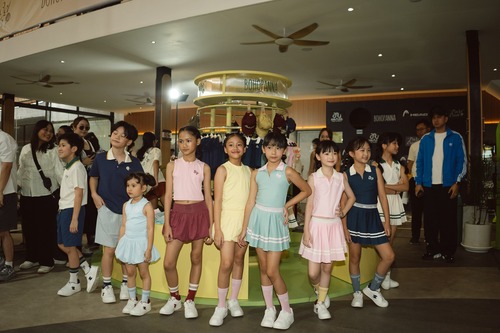
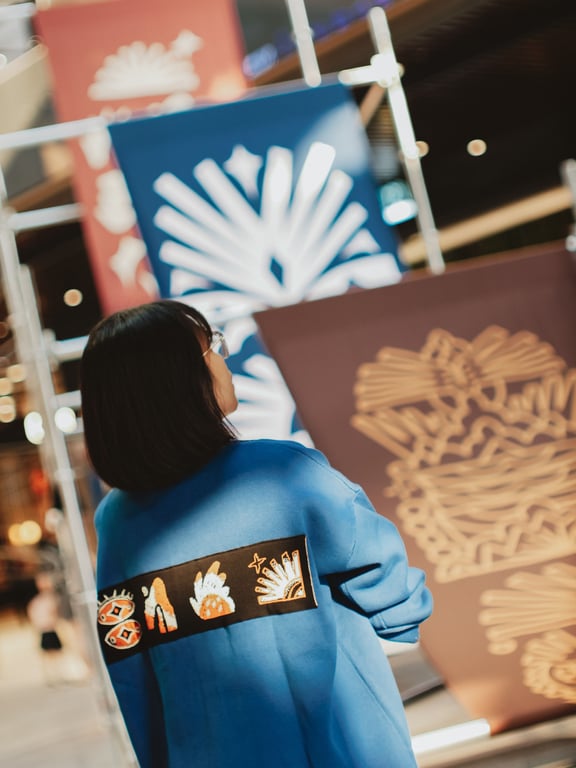
Historically reserved for formal occasions, the qipao has now entered daily wardrobes in relaxed forms. It pairs with sneakers, layers over trousers, and sits beneath jackets. The shift is not about casualization, but about ownership.
The modern qipao is practical, wearable, and lived in. It allows heritage to exist without rigidity. Tradition becomes something carried forward, not something preserved behind glass.
Fashion as Cultural Memory
Clothing is never just fabric. It is memory, posture, and identity. The qipao carries stories of cities, women, and eras shaped by change. Its survival across political and cultural shifts speaks to its adaptability.
Each modern interpretation becomes a dialogue between past and present. The silhouette remains, but its meaning expands. What endures is not nostalgia, but philosophy—discipline, respect, and composure.
The Power of Quiet
Ultimately, The Quiet Return of the Qipao is not about trend cycles. It is about posture. It reminds us that elegance does not require reinvention, only reinterpretation. That restraint can feel sharper than excess. And that sometimes, the most modern statement is choosing less.
In a world obsessed with louder, faster, bigger,
the qipao chooses quieter, slower, better.
And in that quiet return, it speaks louder than ever.